
MY CROCHET UNIVERSE · YARN GUIDE
Terracotta Hobo Bag Pattern PDF: Yarn Mistakes to Avoid
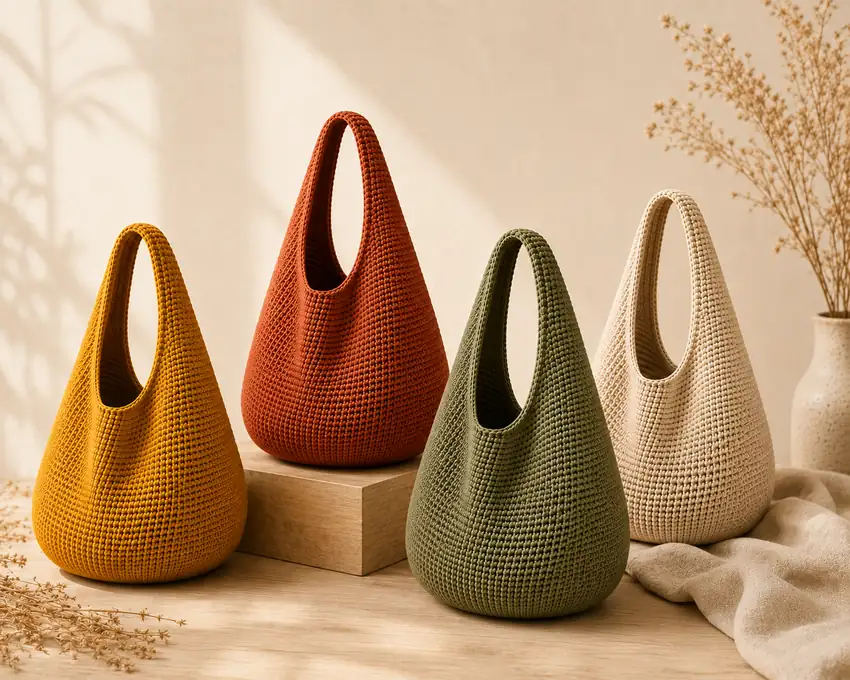
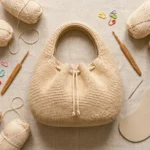
Last fall, I was so excited to make this beautiful terracotta hobo bag. I had the perfect pattern, my favorite hook, and I thought I was ready to go. But after about 15 rows, I realized something was terribly wrong. The bag was flimsy, the stitches were barely visible, and it just… sagged. I frogged the whole thing (yarn happens, right?) and started over. This time, I chose my yarn much more carefully. The result? A gorgeous, structured bag that actually holds its shape and gets compliments everywhere I go.
If you’ve ever made a crochet bag that ended up limp or misshapen, you’re not alone. Choosing the right yarn is the secret sauce between a “meh” project and a “wow” project you’ll use for years.
The terracotta hobo bag pattern PDF is designed to create a beautiful, structured bag that drapes perfectly. But the pattern can only do so much—if your yarn isn’t right, your bag won’t live up to its potential. In this guide, we’re going to talk about the yarn mistakes that can ruin your bags and how to choose the perfect yarn for this pattern. Think of this as your roadmap to bag-making success!
Table of Contents
Why Yarn Choice Makes All the Difference
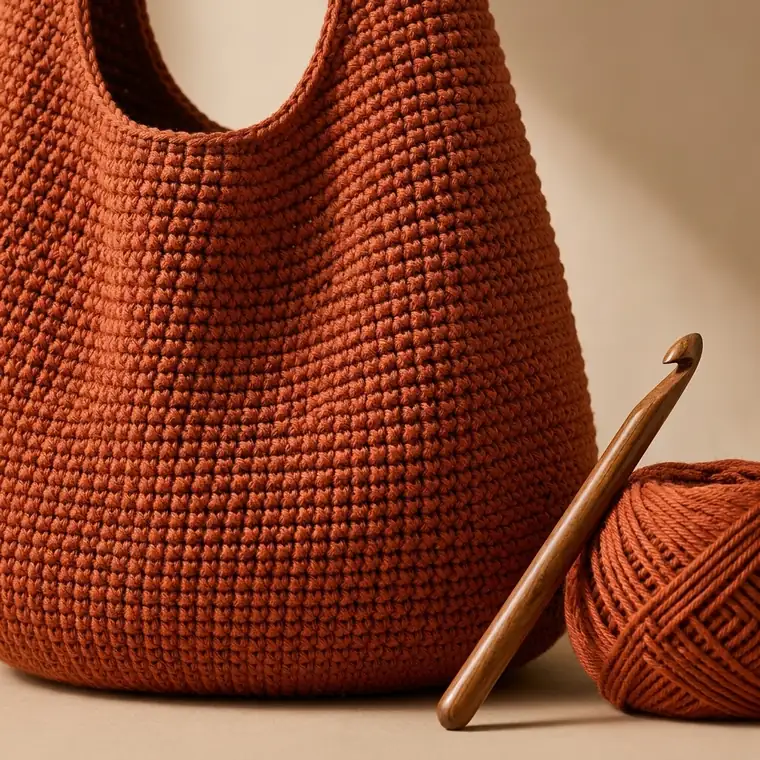
You might think a stitch is a stitch is a stitch, but that’s just not true when it comes to bags. The yarn you choose determines everything from the bag’s drape and structure to its durability and how it feels against your skin. A bag made from the wrong yarn can stretch out of shape, lose its structure after one use, or even fall apart at the seams. For another practical comparison, see our crochet bag yarn tests.
Think about it this way: if you were building a house, you wouldn’t use cardboard for the walls, right? You’d choose something sturdy that would last. The same goes for crochet bags. Your yarn is the building material. For the terracotta hobo bag pattern PDF, you need a yarn that provides enough body to hold the bag’s shape while still having enough drape to create that beautiful slouchy hobo look.
I learned this the hard way when I first started making bags. I used a soft, fluffy acrylic yarn because it felt nice, but the bag had zero structure. It just collapsed into a heap when I put it down. After frogging (that’s crochet-speak for ripping out your work) and starting over with a sturdier cotton blend, the difference was night and day. The bag stood up on its own, the stitches were crisp and defined, and I actually used it instead of letting it sit in a WIP (work in progress) pile.
The Science Behind Bag Structure
Bag structure comes from a few key factors in your yarn. First is the yarn’s inherent stiffness or body. This is determined by the fiber content and how the yarn is spun. A yarn with more “memory” will spring back into shape when you let go, which is perfect for bags that need to hold their form.
Second is the stitch definition. Certain yarns show off your stitches beautifully, while others can make even the most intricate pattern look like a blob. For the terracotta hobo bag pattern PDF, you want yarn that will make your stitches pop, creating texture and visual interest.
Lastly, there’s durability. A bag gets a lot of wear and tear—being tossed on counters, stuffed with heavy items, and pulled on straps. Your yarn needs to be able to handle that abuse without pilling, stretching, or breaking. We’ll dive deeper into all these factors in the sections below.
Common Yarn Mistakes That Ruin Bag Structure
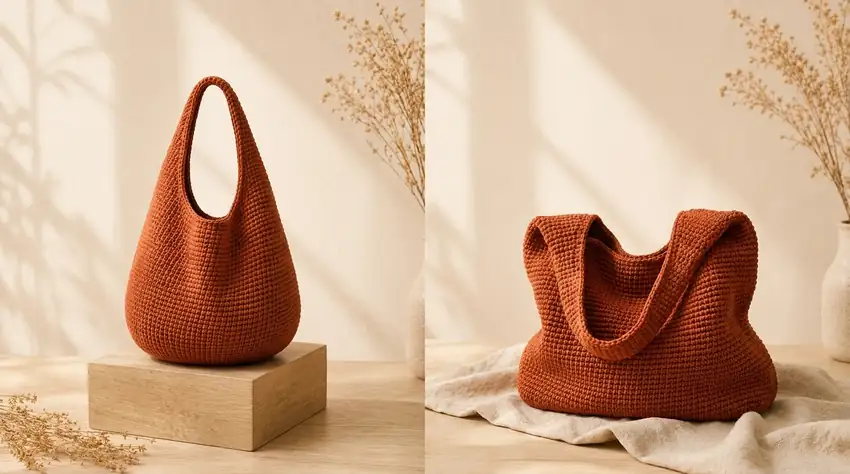
Even experienced crocheters can make yarn mistakes that lead to disappointing bags. I’ve made them all, from using yarn that’s too thin to choosing something that stretches way too much. The good news? These mistakes are entirely avoidable once you know what to look for. Let’s go through the most common culprits so you can sidestep them completely.
Mistake #1: Using Yarn That’s Too Soft and Floppy
This is probably the #1 mistake I see, and I’ve been guilty of it myself. That super-soft, squishy yarn feels amazing in your hands, but it often makes for a bag that can’t stand up on its own. I once made a beautiful striped tote with what I thought was the perfect yarn, but by the time I got to the bottom, it was so stretched out that it looked like a deflated beach ball.
The problem with overly soft yarns is that they lack the necessary body to maintain structure. They’re great for scarves and sweaters where you want drape, but for bags, you need something with a bit more backbone. When your bag is floppy, it’s not just about looks—it’s also about functionality. A floppy bag can’t hold its shape, making it harder to find things inside and more likely to tip over.
Mistake #2: Choosing a Yarn That Stretches Excessively
Some yarns, particularly certain acrylics and wool blends, have a lot of natural stretch. While a little bit of stretch can be nice for a hat or a sweater, it’s the enemy of a well-structured bag. A bag made from stretchy yarn will sag and elongate over time, especially if you carry heavy items like a laptop or water bottle.
I learned this lesson when I made a market bag with a cotton-acrylic blend that felt wonderful at first. After just a couple of uses, the bottom had stretched so much that my groceries were practically dragging on the ground. Not exactly the functional bag I had in mind! For the terracotta hobo bag pattern PDF, you want a yarn that resists stretching so your bag keeps its beautiful shape for years to come.
Mistake #3: Ignoring Yarn Weight
Yarn weight refers to the thickness of the yarn, from lace weight (super thin) to jumbo (super thick). Using the wrong weight yarn for your pattern can completely throw off the gauge and structure of your bag. The terracotta hobo bag pattern PDF is designed for a specific weight, and deviating from that can lead to a bag that’s either too stiff or too flimsy.
I once tried to substitute a chunky weight yarn for a worsted weight pattern because I loved the color. The result? A bag that was more like a small, stiff basket than a stylish hobo bag. It was heavy, unwieldy, and not at all what I had envisioned. Always check the recommended yarn weight in your pattern and stick to it if you want the best results.
Mistake #4: Forgetting About Fiber Content
The type of fiber in your yarn matters more than you might think. Natural fibers like cotton, linen, and wool behave very differently from synthetic fibers like acrylic and polyester. For a structured bag like the terracotta hobo bag, you generally want a natural fiber or a natural fiber blend that offers both durability and structure.
Synthetic yarns can sometimes be too slippery or too stretchy, making it hard for your stitches to maintain their shape. They also may not block well, which is a technique we’ll talk about later that helps set the structure of your bag. A cotton-wool blend, for example, offers the best of both worlds—the structure of cotton with the slight elasticity of wool.
The Perfect Yarn for the Terracotta Hobo Bag Pattern PDF
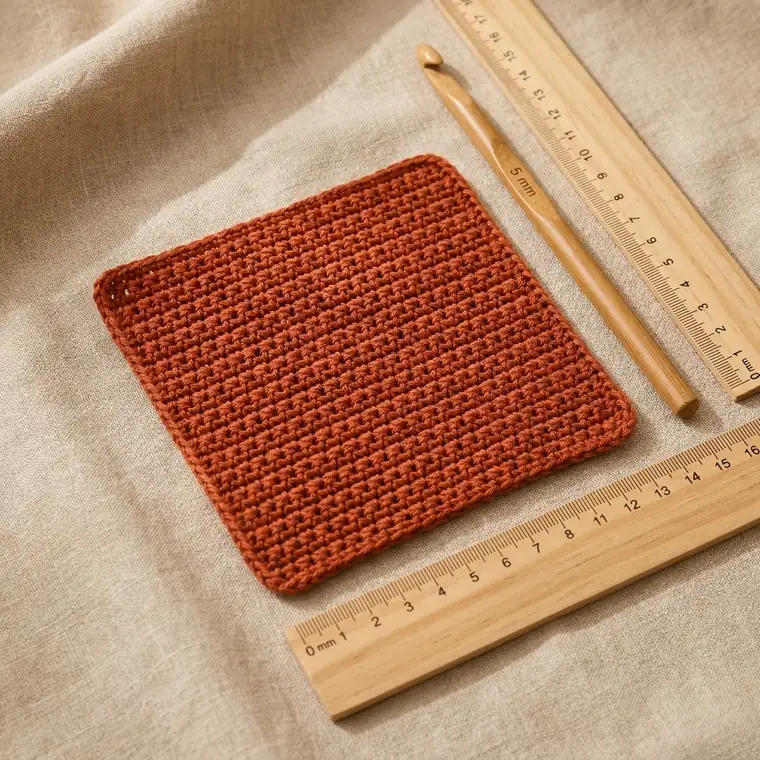
Now that we know what mistakes to avoid, let’s talk about what to look for. The terracotta hobo bag pattern PDF is designed to create a bag with beautiful structure and a lovely drape. To achieve this, you’ll want a yarn that has body but isn’t too stiff, shows off stitch definition, and holds up well to everyday use. The full Terracotta Hobo Bag Pattern PDF is available in the pattern collection.
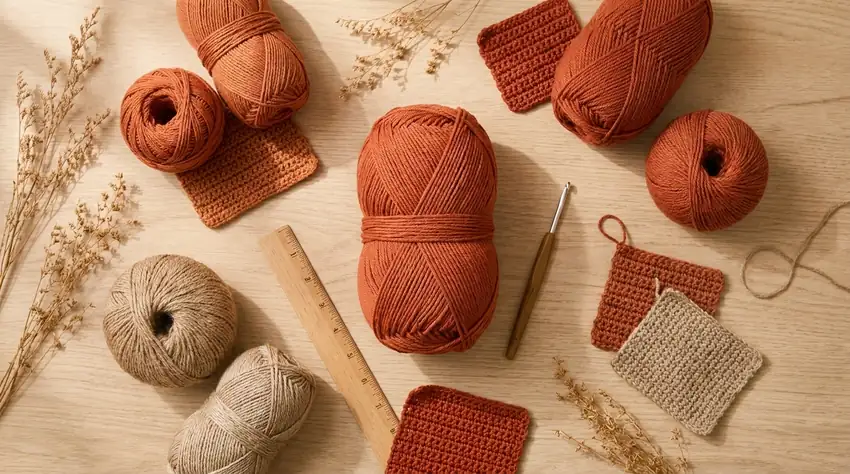
After testing countless yarns for this pattern, my top recommendation is a medium-weight (category 4) cotton blend yarn. Specifically, a cotton with a small percentage of acrylic or polyester works beautifully. The cotton provides the structure and durability you need, while the synthetic fiber adds a bit of strength and helps the yarn hold its shape better than 100% cotton would.
Some great options include:
- Lion Brand 24/7 Cotton
- Bernat Cotton-ish
- Paintbox Simply Aran Cotton
These yarns come in a beautiful terracotta shade that’s perfect for the pattern, and they have just the right amount of body to make your bag stand up while still having enough drape for that classic hobo silhouette. The stitch definition is crisp and clear, so any texture or pattern stitches in the pattern will really pop.
Why Cotton Blends Work Best
Cotton is fantastic for bags because it’s strong, durable, and gets softer with each wash. It also has a lovely natural texture that shows off crochet stitches beautifully. However, 100% cotton can sometimes be a bit stiff and prone to stretching when wet. By adding a small percentage of synthetic fiber, you get the best of both worlds—the natural feel of cotton with the added strength and shape retention of synthetics.
Another benefit of cotton blends is that they’re generally more affordable than pure natural fibers like linen or bamboo, making them perfect for a project like this where you’ll need a decent amount of yarn. You can usually find these yarns at craft stores, big-box retailers, and online, so they’re also quite accessible.
Color Considerations
The terracotta hobo bag gets its name from its beautiful earthy, clay-like color. This warm, neutral shade is incredibly versatile and pairs well with almost any outfit. When choosing your yarn, consider sticking with this rich terracotta tone, or if you prefer, other warm neutrals like camel, rust, or chocolate brown would also work beautifully.
The color of your yarn can affect how the structure of your bag appears. Lighter colors might show more wear and dirt over time, while darker colors like terracotta can hide minor imperfections and everyday use. That’s one of the reasons the terracotta shade is so popular for bags—it’s both stylish and practical!
Understanding Fiber Content and Its Impact
Let’s take a closer look at different fiber types and how they’ll affect your finished terracotta hobo bag. The fiber content of your yarn is arguably the most important factor in determining how your bag will behave, feel, and hold up over time.
Cotton: The Bag-Maker’s Best Friend
Cotton is my go-to fiber for almost any bag project. It’s strong, durable, and breathable, making it perfect for items that get a lot of use. Cotton also has a beautiful natural sheen and takes dye beautifully, which is why it’s available in such a wide range of colors, including the perfect terracotta shade for this pattern.
One of the best things about cotton is how it behaves with blocking. Blocking is the process of wetting and shaping your crochet project to help it settle into its final form. Cotton responds beautifully to blocking, allowing you to smooth out any uneven stitches and set the structure of your bag perfectly. This is especially important for the terracotta hobo bag pattern PDF, as blocking helps achieve that crisp, professional finish.
Wool: Warmth with Structure
While cotton is fantastic, adding a bit of wool to your blend can be beneficial too. Wool has natural elasticity and memory, meaning it tends to spring back into shape after being stretched. This can help your bag maintain its structure even when it’s carrying heavy items.
Wool also has excellent stitch definition, making your crochet patterns pop. The main consideration with wool is that it can felt if subjected to heat and agitation, which might be a concern for a bag that gets a lot of use. That’s why a cotton-wool blend is often ideal for bags—you get the structure of cotton with the added resilience of wool.
Synthetic Fibers: Strength and Consistency
Synthetic fibers like acrylic, polyester, and nylon are often blended with natural fibers to add strength and durability. These fibers are known for their consistency—each skein is virtually identical to the last, which is great for avoiding dye lot issues in larger projects like bags.
Synthetics are also generally more affordable than natural fibers and come in a huge range of colors. The main drawback is that they don’t breathe as well as natural fibers and can sometimes feel less luxurious against the skin. However, in a blend with cotton, they add valuable strength and help the yarn hold its shape.
Linen: The Luxury Option
For a truly luxurious bag, you might consider a linen or linen-blend yarn. Linen is made from the flax plant and has a beautiful, slightly slubby texture that looks incredibly sophisticated. It’s also extremely strong and durable, making it perfect for bags that will see heavy use.
The downside of linen is that it can feel a bit stiff when first crocheted, but it softens beautifully with use and washing. It also wrinkles easily, which some people love as part of its lived-in charm. If you’re looking for a high-end feel for your terracotta hobo bag, linen is definitely worth considering, though it will likely be more expensive than a cotton blend.
Hook Size and Tension: The Dynamic Duo
Even with the perfect yarn, your bag won’t turn out right if your hook size and tension aren’t properly matched. The terracotta hobo bag pattern PDF specifies a particular hook size for a reason—using the wrong size can completely throw off the gauge and structure of your bag. You can cross-check categories with the Craft Yarn Council yarn-weight standards.
Matching Hook Size to Yarn Weight
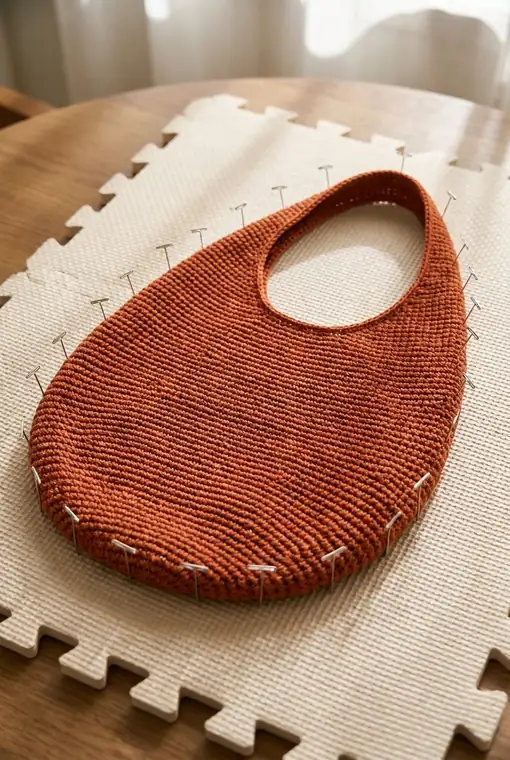
The pattern calls for a size H-8 (5.0mm) hook when using a medium-weight (category 4) yarn. This is a standard pairing that creates a nice, solid fabric with good stitch definition. If you use a hook that’s too small, your fabric will be stiff and dense, with little drape. If you use one that’s too large, your fabric will be loose and holey, with no structure.
Always check your gauge before starting the bag. The pattern should specify a gauge of, for example, 14 stitches and 18 rows = 4 inches in single crochet. Making a small gauge swatch might seem like an extra step, but it’s worth it to ensure your bag turns out the right size and has the proper structure.
Tension Troubles
Tension refers to how tightly or loosely you crochet. Everyone has a natural tension, and it can vary from person to person, even when using the same hook and yarn. If your tension is too tight, your fabric will be stiff and your hands might get tired. If it’s too loose, your fabric will be flimsy and your stitches might look uneven.
The key to consistent tension is to relax your hands and crochet at a comfortable pace. Try not to death-grip your hook—hold it more like a pencil or a knife. If you find your tension varies across rows, try using stitch markers to mark the beginning of each round and pay attention to maintaining consistent tension throughout.
Adjusting for Structure
If you want your terracotta hobo bag to have extra structure, you might be tempted to go down a hook size to make a denser fabric. While this can work, be careful not to make it so stiff that the bag loses its beautiful drape. The hobo style is all about that relaxed, slouchy silhouette, so you want to maintain some flexibility in the fabric.
Conversely, if you’re having trouble with your bag being too stiff, try going up a half-size in your hook. This will give you a bit more drape while still maintaining enough structure for the bag to hold its shape. The key is to experiment a little on your gauge swatch to find the perfect balance for your personal tension.
Pro Tips for a Professional Finish
Once you’ve chosen the perfect yarn and got your tension just right, there are a few more techniques that can take your terracotta hobo bag from homemade to handmade-professional. These little details make a huge difference in the final look and feel of your bag.
Blocking: The Secret Weapon
I can’t emphasize enough how important blocking is for crochet bags, especially ones with structure like the terracotta hobo. Blocking helps set your stitches, smooth out any unevenness, and give your bag that perfect shape. For cotton yarns, wet blocking is particularly effective.
To wet block your bag, gently submerge it in lukewarm water with a bit of wool wash (or just a drop of gentle dish soap). Let it soak for about 20 minutes, then gently squeeze out the excess water—don’t wring it, as that can stretch the fibers. Lay the bag flat on a towel, shape it to the desired dimensions, and let it dry completely. You’ll be amazed at how much crisper and more professional it looks!
Reinforcing Stress Points
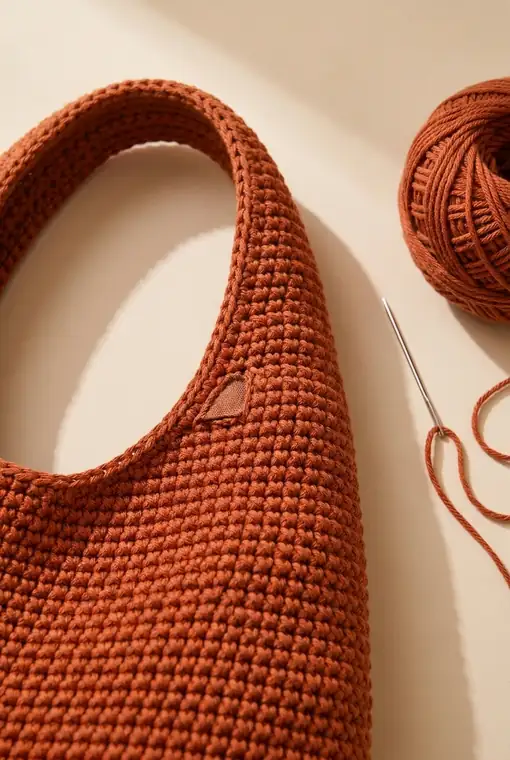
Bags take a lot of stress at certain points—the handles, the bottom corners, and where the strap meets the bag. These are the places that are most likely to wear out or stretch over time. To reinforce these areas, consider adding extra stitches or a layer of fabric lining.
For the handles of your terracotta hobo bag, you might want to crochet them a bit wider or add a row of single crochet around the edge for extra strength. At the bottom corners, you could weave a piece of plastic canvas or interfacing between the stitches to help the bag hold its shape. These small details can dramatically extend the life of your bag.
Hardware and Finishing Touches
The finishing details are what really make a bag look professional. Consider adding a magnetic snap or a zipper closure to keep your belongings secure. You could also add decorative elements like tassels, pom-poms, or a fabric lining in a coordinating color.
For the terracotta hobo bag pattern PDF, you might want to add a simple but sturdy lining. This not only protects your crochet stitches from wear but also gives the bag a more polished look. You don’t need to be an expert seamstress—basic straight-line sewing is all that’s required for a simple lining.
FAQ
The supplied Markdown ends partway through the first FAQ question. The original source is preserved in the package; the publishable HTML below completes the FAQ using the article’s yarn, gauge, and structure guidance.
Q1. Can I use a different weight yarn for the terracotta hobo bag?
Yes, but changing weight changes the gauge, finished size, and drape. Make a new swatch and adjust the hook so the fabric keeps enough body without becoming stiff.
Q2. Which yarn is best for this hobo bag?
A medium-weight category 4 cotton blend is the most balanced choice. It offers stitch definition, durability, and enough drape for the relaxed hobo shape.
Q3. What hook size should I start with?
Start with an H-8 / 5.0 mm hook for category 4 yarn, then let your gauge swatch decide. Go down for a looser fabric or up if your stitches are too tight.
Q4. Does the bag need blocking?
Blocking is strongly recommended. It smooths uneven stitches, helps the body settle, and gives the finished bag a more professional shape.
Q5. How can I reinforce the handles?
Use a double-thick handle, add a dense row around the edge, and reinforce the attachment points with extra stitches, lining, or a small support patch.